
Pessary Fitting
Professional pessary fitting for pelvic organ prolapse and pelvic floor support
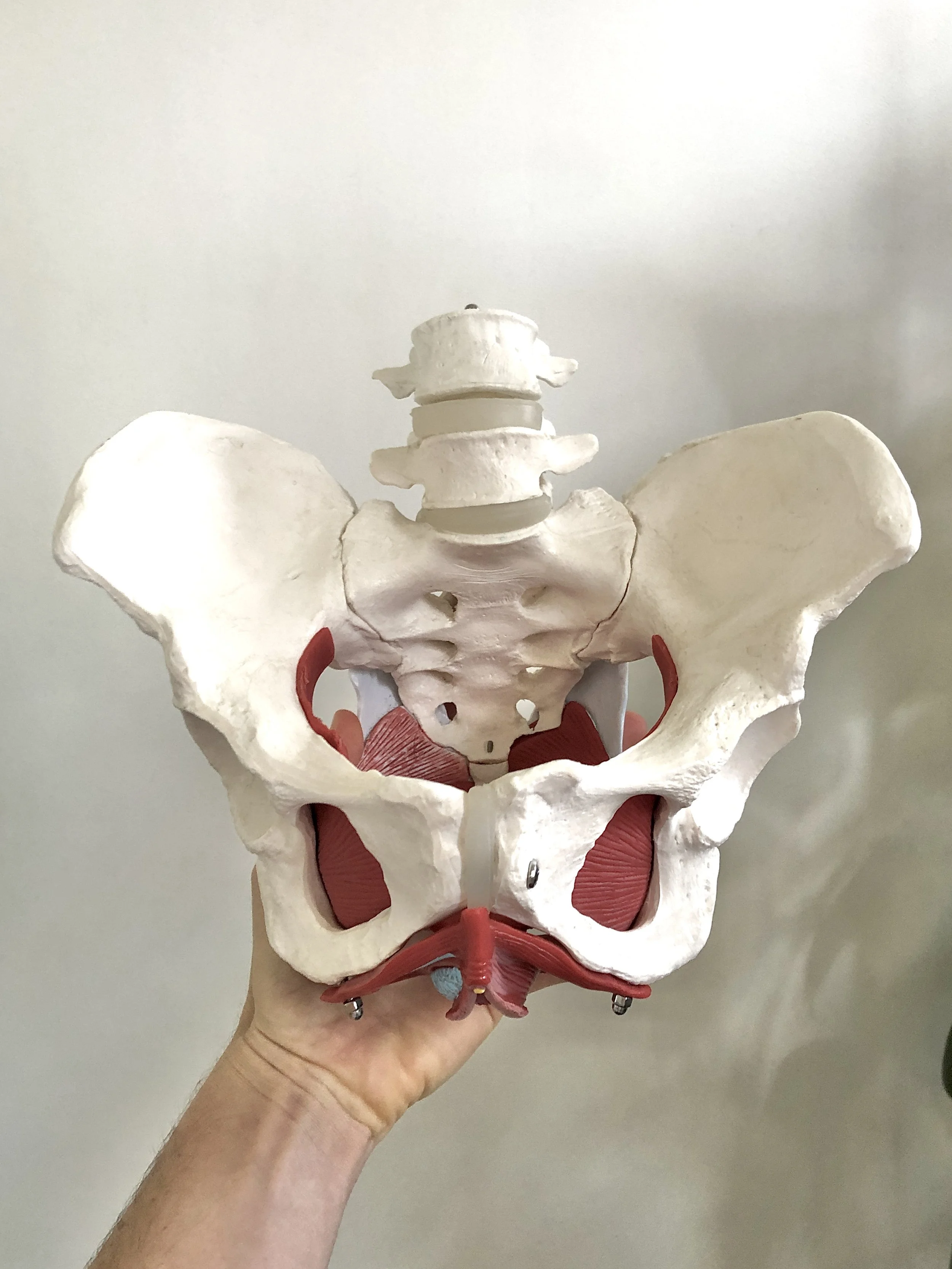

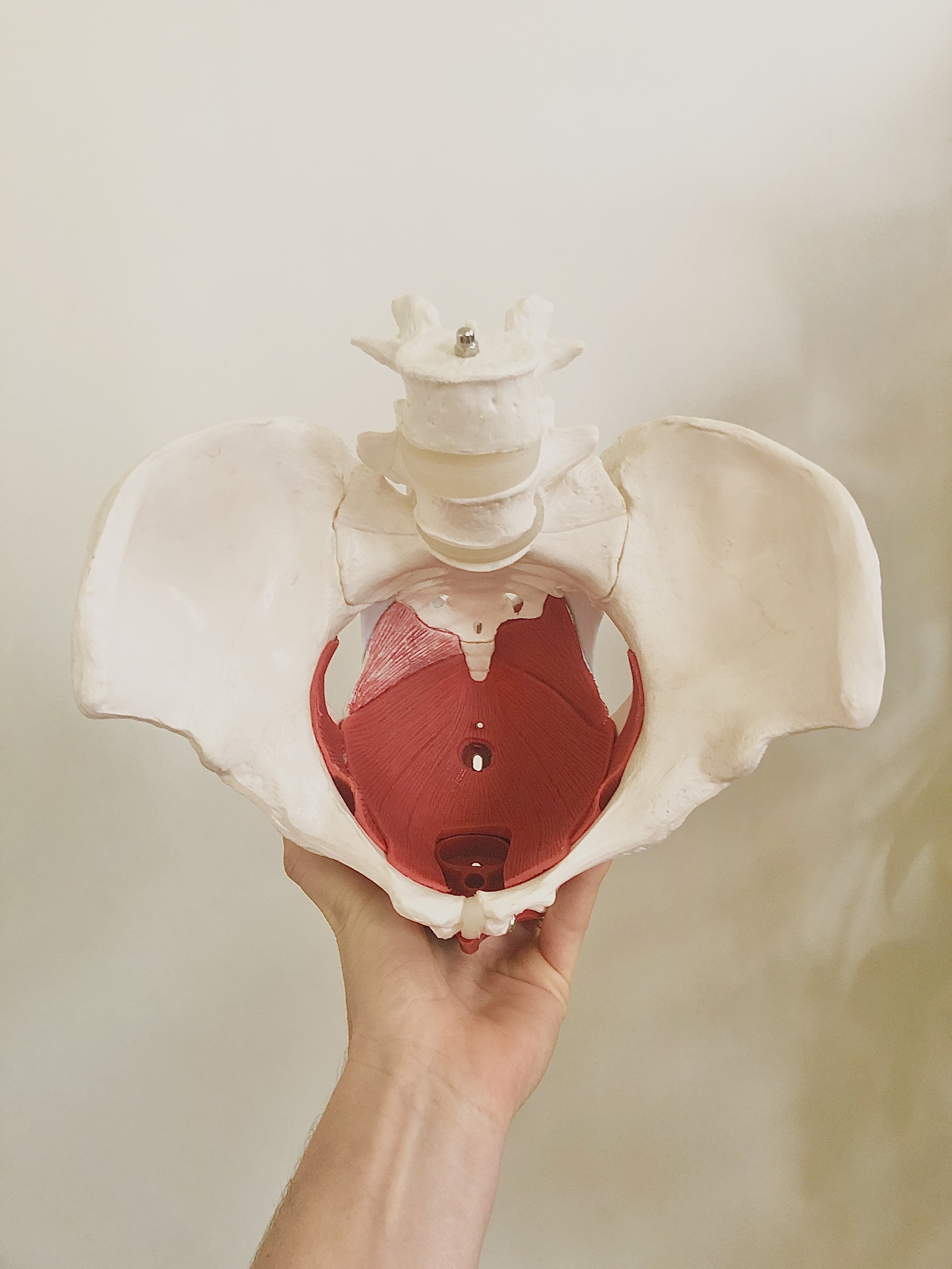
If you are experiencing pelvic organ prolapse, vaginal heaviness, pressure, a vaginal bulge or bladder leakage, a pessary may provide additional support and help you feel more comfortable and confident in everyday life and exercise.
At Empower Osteopathy in Tugun, Emma Power provides professional pessary fitting as part of her pelvic health practice.
Emma has undertaken advanced training and accreditation in pessary fitting, allowing her to provide individualised assessment, pessary selection, fitting and education around pessary use and care.
What is a pessary?
A pessary is a medical device that sits inside the vagina to provide support to the vaginal walls and pelvic organs.
Pessaries are commonly used as a non-surgical management option for pelvic organ prolapse. They may help reduce symptoms such as vaginal pressure, heaviness and the sensation of a vaginal bulge.
A pessary may also be suitable for some women experiencing stress urinary incontinence, particularly during activities such as exercise, running, jumping, coughing or lifting.
Who may benefit from a pessary?
Pessary fitting may be appropriate if you experience:
Pelvic organ prolapse
A vaginal bulge or sensation of something coming down
Vaginal heaviness, pressure or dragging
Symptoms that increase with standing or walking
Symptoms that become worse during exercise
Pelvic floor symptoms following pregnancy or childbirth
Stress urinary incontinence
Bladder leakage with running, jumping, coughing or sneezing
Symptoms that worsen towards the end of the day
A desire to remain active while managing prolapse symptoms
A preference to explore non-surgical management options
You do not need to wait until your symptoms become severe before seeking pelvic health support.
What happens during a pessary fitting appointment?
Your appointment begins with a comprehensive discussion about your symptoms, medical history, pregnancy and birth history, bladder and bowel function, exercise and lifestyle.
With your informed consent, an internal pelvic health assessment may be performed to assess your pelvic floor and pelvic organ support.
We will discuss:
Your symptoms and goals
Your pelvic floor function
Your level of pelvic organ support
Bladder and bowel symptoms
Your exercise and activity requirements
Pessary options that may be appropriate for you
you ready to take your health back into your own hands?